FAQ #4: What Should I Major In?

Image of the letters FAQ with a magnifying glass over the F.

“What should I major in?”

This is definitely the #1 most frequent question I get asked by young aspiring translators, so the only reason it wasn’t #1 in my FAQ series is that I’ve always resisted answering it. Why have I resisted answering it? The short answer is that I have no answer–I don’t know what you should major in!

The long answer is that there are all kinds of pros & cons to different majors, and lots of different ways of looking at this decision. After another recent flood of emails about it, I think it’s finally time for me to attempt the long answer. Aspiring translators, I hope this helps. Existing translators, please feel free to add your own thoughts (or refute mine)!

Here we go…

Read more

memoQ Light Resources, and a Freebie

Apologies for the delay in the next installment of the emergency series–I have not forgotten about it, I promise! It just turns out tech-related emergency planning takes a lot of research. But, speaking of technology and emergencies, here’s a Tech Emergency Quickie for memoQ users!

Do you have all your term bases and all the little hacks to your TEnT tools/CAT tools backed up? (And your invoices? See Backing Up Your Records in TO3000 Version 10; the first half of that post also applies to Version 11.) I’ve gotten pretty good about backups, but there are always a few little things that I miss for my memoQ setup. Term bases? Check. TMs? Check. Light resources? …Well, shoot, I didn’t think of that!

Luckily, others can learn from my mistakes. If you, too, hate having to figure out complicated “memoQ Web Search” settings and whatnot for each new computer, read on. These are more complicated to back up than you might think, but it can be done!

Read more
Life Happens

I’d planned to end the week with a tiny update of miscellanea on emergency planning. I’m still doing that, but originally it was going to be upbeat, and it hasn’t quite turned out that way. Still, here’s your emergency planning quickie: 1. And lo, planning works! Almost a year ago, I had a hard drive … Read more

Emergency Business Planning: Illness & Injury

Image of an emergency room door and sign saying "Emergency"

In my first post about emergency business planning, I asked the question, “What can go wrong?” That was a little terrifying, but now for the good news: Once we know what can go wrong, we’re ready to start strategizing!

You will probably have noticed that some disasters I listed on the “What could go wrong?” list were qualitatively different than others. #4 in particular is in a category of its own: “I could become sick or injured.”

Hopefully none of us will spend too much of our time so ill that we can’t work, but both short- and long-term illness/injury can happen to anyone, of any age. So we need to prepare for this. We don’t want short-term health problems to impact our client relationships, and we don’t want long-term ones to tank our businesses!

In preparing for this piece, I put together my own knowledge, my research, and notes from an interview with a friend who has unfortunately encountered this particular emergency. Here’s what I came up with:

Read more

Happy 2015! Do You Have an Emergency Business Plan?

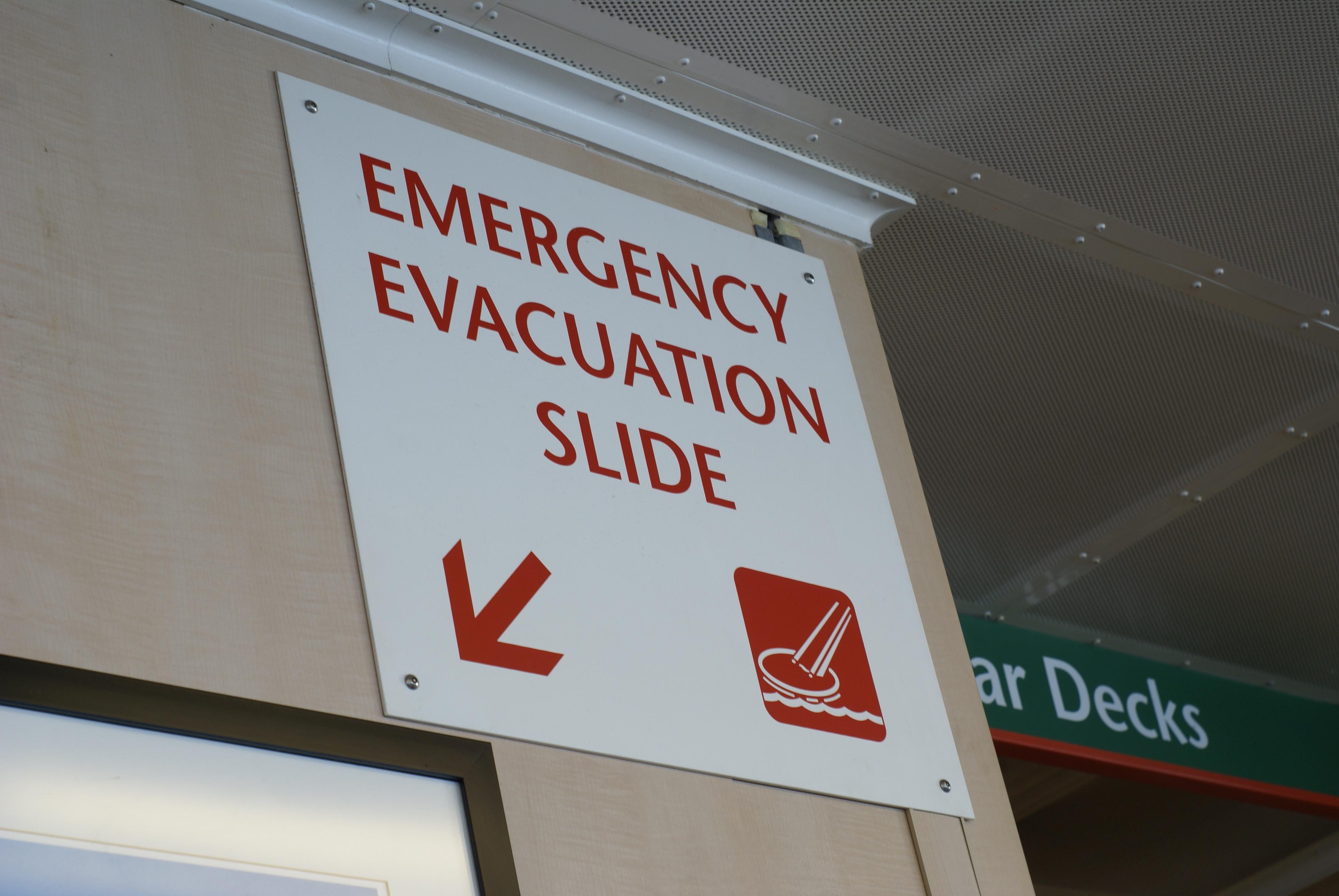
Sign pointing to the emergency evacuation slide of a ship.

Happy New Year! Yes, it’s January, that month when many of us think about what we want our lives to be like. We ask ourselves, Do I need to lose weight? Do I want to quit a bad habit? What do I want to accomplish most? We all know the “resolutions” drill.

But if you’re a freelancer or you run a business, there’s an urgent question that you may not be asking: Do I have an emergency plan for my business?

Any month is a good month to safeguard your business, but I’ve decided to devote this January to blogging about my emergency-preparedness plan for my translation business. Today’s post is all about the first step: admitting that eventually, there’s going to be a problem.

Read more

“Pictures and Sound” Presentation Slides

Image saying "Pictures and Sound: Translating Television and Other Audiovisual Media."

As many of you know, last month, I gave a presentation at the 55th annual American Translators Association conference called “Pictures and Sound: Translating Television and Other Audiovisual Media.” After the presentation, a few attendees asked me for copies of the slides. At the time I replied that I had no plans to release them, … Read more

FAQ #3 Followup–Another Perspective on Translator Education

Image of the letters FAQ with a magnifying glass over the F.

In my previous post, FAQ #3: Did Your Bryn Mawr Education Prepare You For Your Career?, I discussed how a liberal arts education prepared me for a career as a translator. My colleague Frode Aleksandersen, an English/Danish/Swedish/Japanese to Norwegian translator who specializes in technical translation, checked in with me afterwards to offer a contrasting perspective. Since … Read more

FAQ #3: Did Your Bryn Mawr Education Prepare You For Your Career?

Image of the letters FAQ with a magnifying glass over the F.

Another FAQ!

Much as I love my alma mater, the question “Did your Bryn Mawr education prepare you for your career?” is, I think, actually a bigger one: “Did your liberal arts education prepare you for your career?” Because Bryn Mawr is a liberal arts school, and I think the practical usefulness of the liberal arts is what people are really getting at here.

The short answer: yep, it did.

The long answer: Here’s what a liberal arts education is, and why it’s useful to a translator’s career even though it’s by definition not career-specific.

Read more

Pictures and Sound: Audiovisual Terminology

Tomorrow November 8th, I’ll be presenting my first-ever American Translators Association conference session. If you’ve ever wondered what translating audiovisual content is all about, come join me for session T-10: “Pictures and Sound: Translating Television and Other Audiovisual Media” from 11:30 a.m. – 12:30 p.m. So that attendees don’t have to give themselves hand cramps … Read more